Geoeconomics Group Conference 2026
Geoeconomics for Belgium – bringing together research and policy
29 January 2026
In an increasingly tumultuous world, geoeconomics has emerged as a key foreign policy tool for states to protect their national interests. For Belgium, with a globally integrated economy, this trend presents both opportunities and challenges. The global rise of geoeconomics has prompted scholarly efforts to define the concept and analyse its use in policy. Simultaneously, policymakers have been confronted with the day-to-day task of both designing and responding to geoeconomic policies.
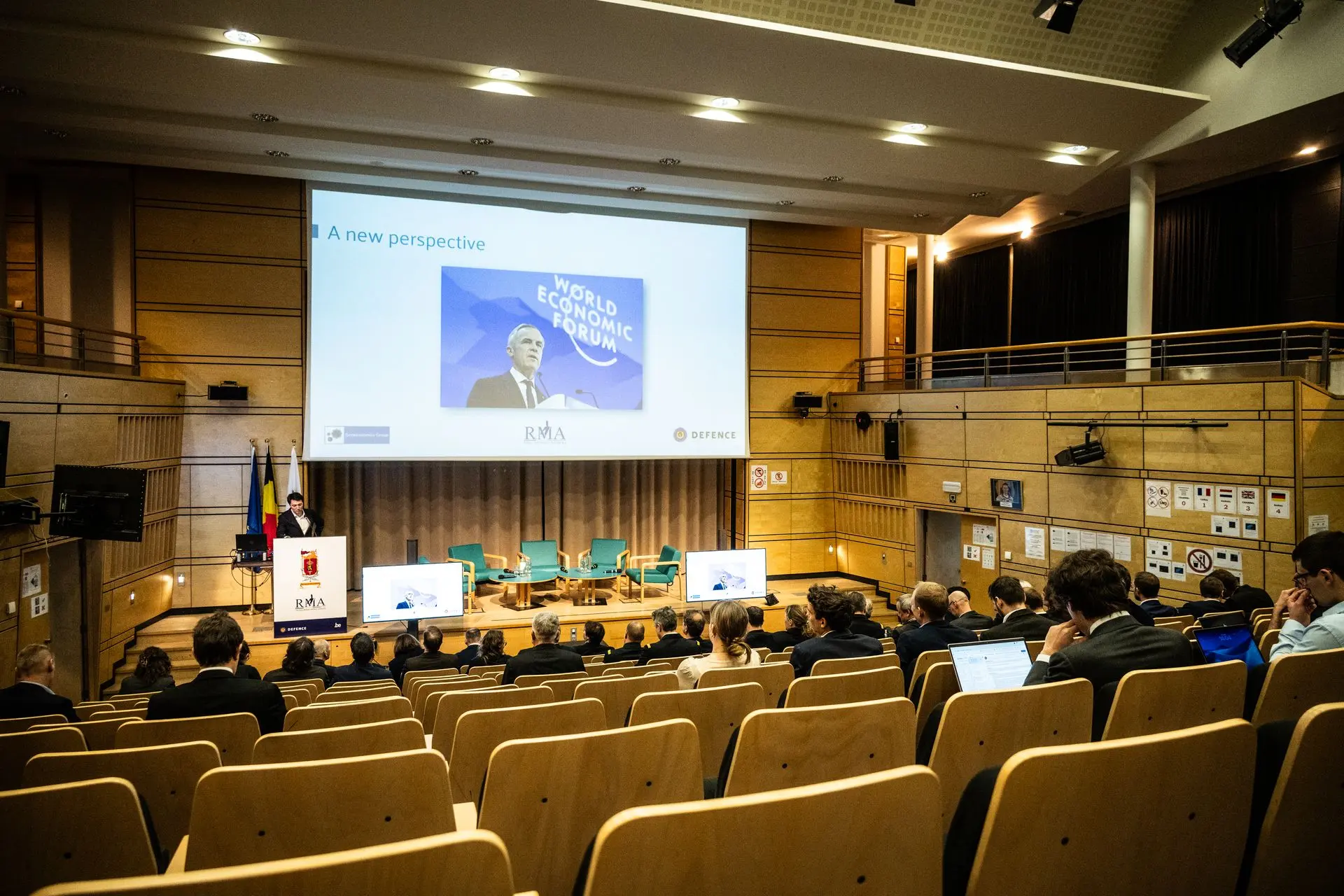
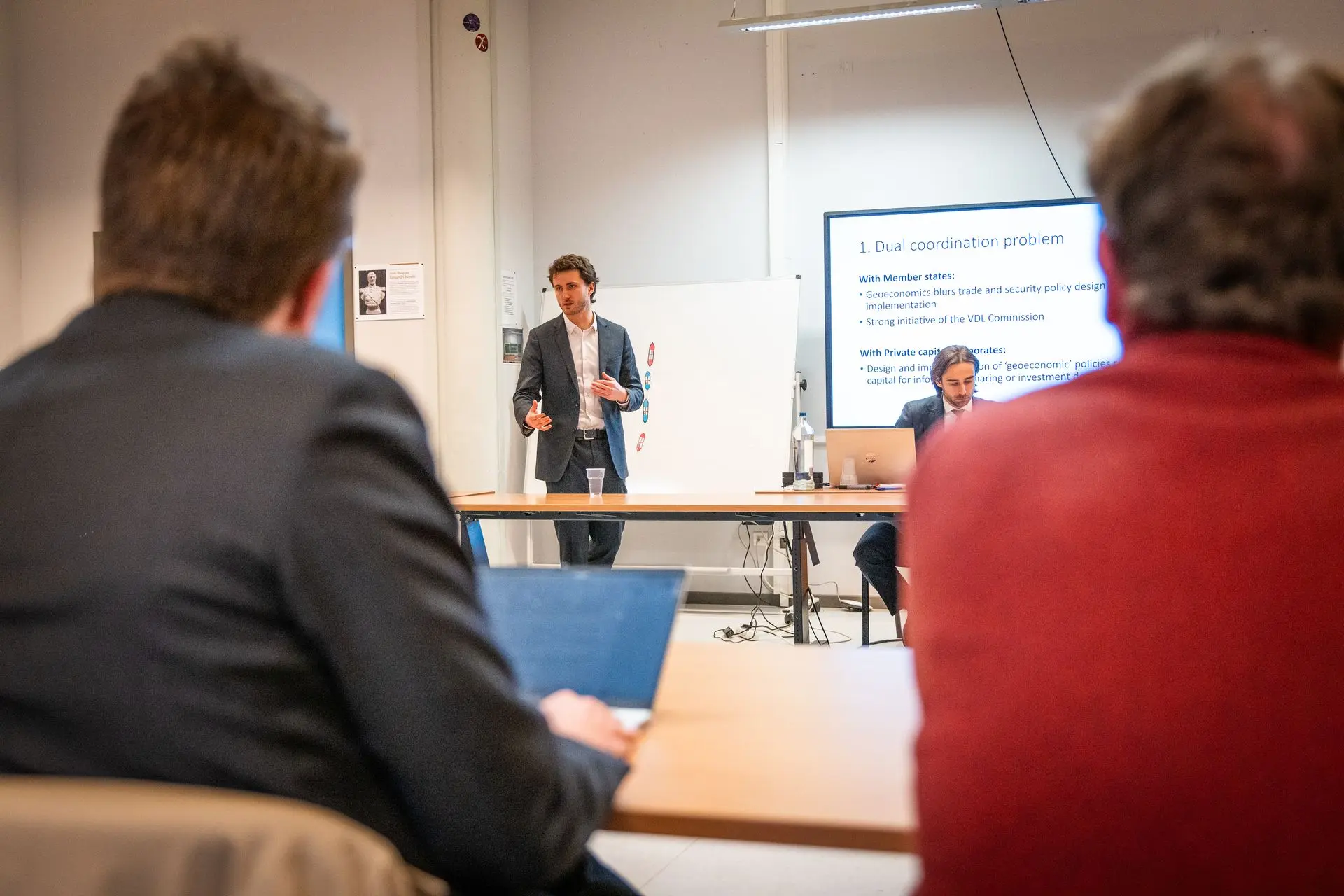
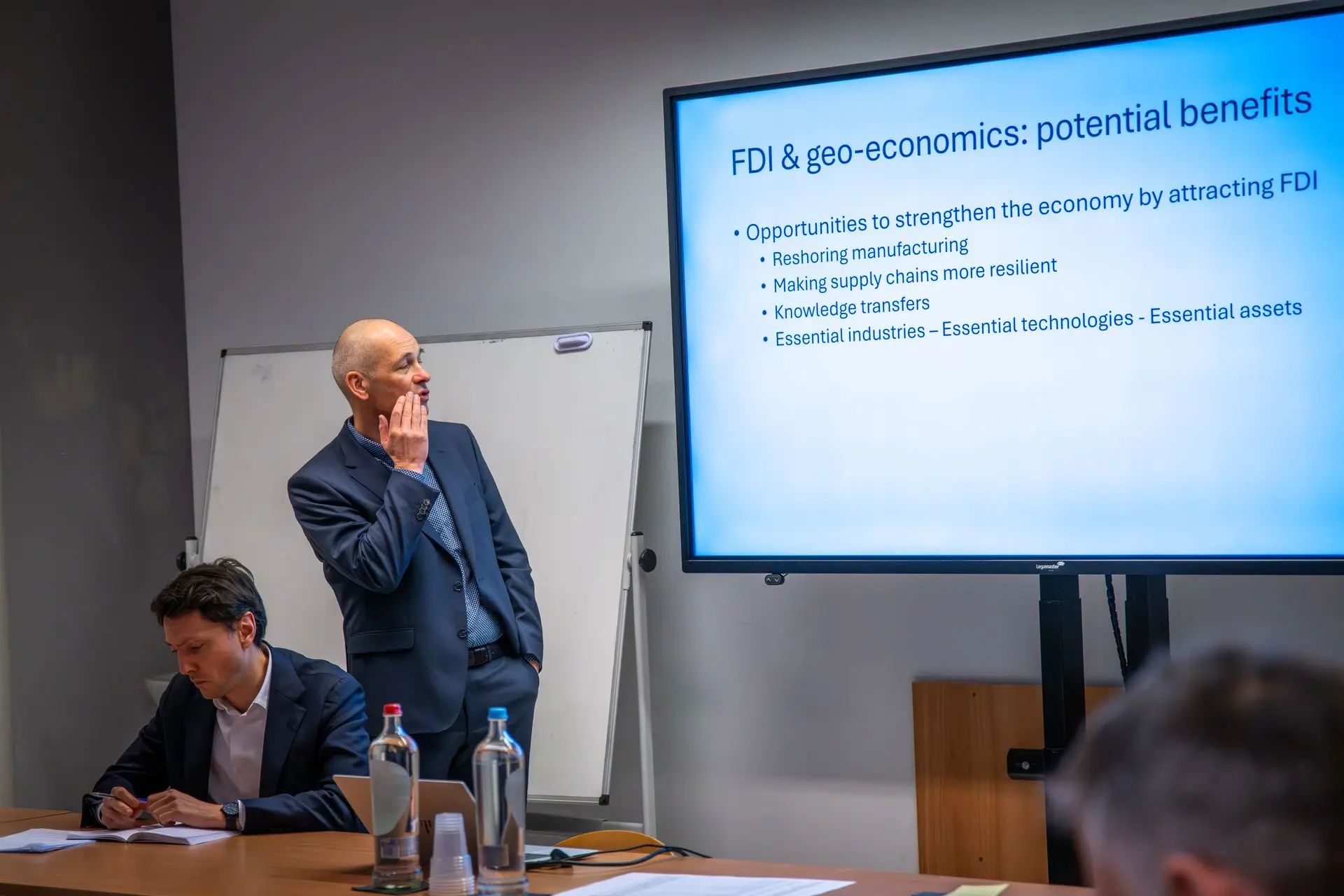
On 29 January 2026, the Geoeconomics Group organized its first conference to bridge the gap between academia and policymaking. Convening researchers from Belgian universities and research institutions working on geoeconomics, and policymakers from the Belgian federal and regional government services, it provided a platform for mutual learning and dialogue about geoeconomics. Through a mix of plenary sessions and thematic breakouts, it facilitated the dissemination of research insights and the articulation of policy priorities directly from practice.
With more than 70 registered policymakers, the conference enabled an afternoon of fruitful debate. A detailed summary of the key takeaways and discussions can be found in the conference proceedings, which you can download with the button below.

Programme
14:10
Opening keynote
Welcome address
14:00
Registration
13:30
Prof. Dr. Cind Du Bois - Professor of Economics at the Royal Military Academy and Sciences Po Paris, counselor to the Minister of Defence
14:30
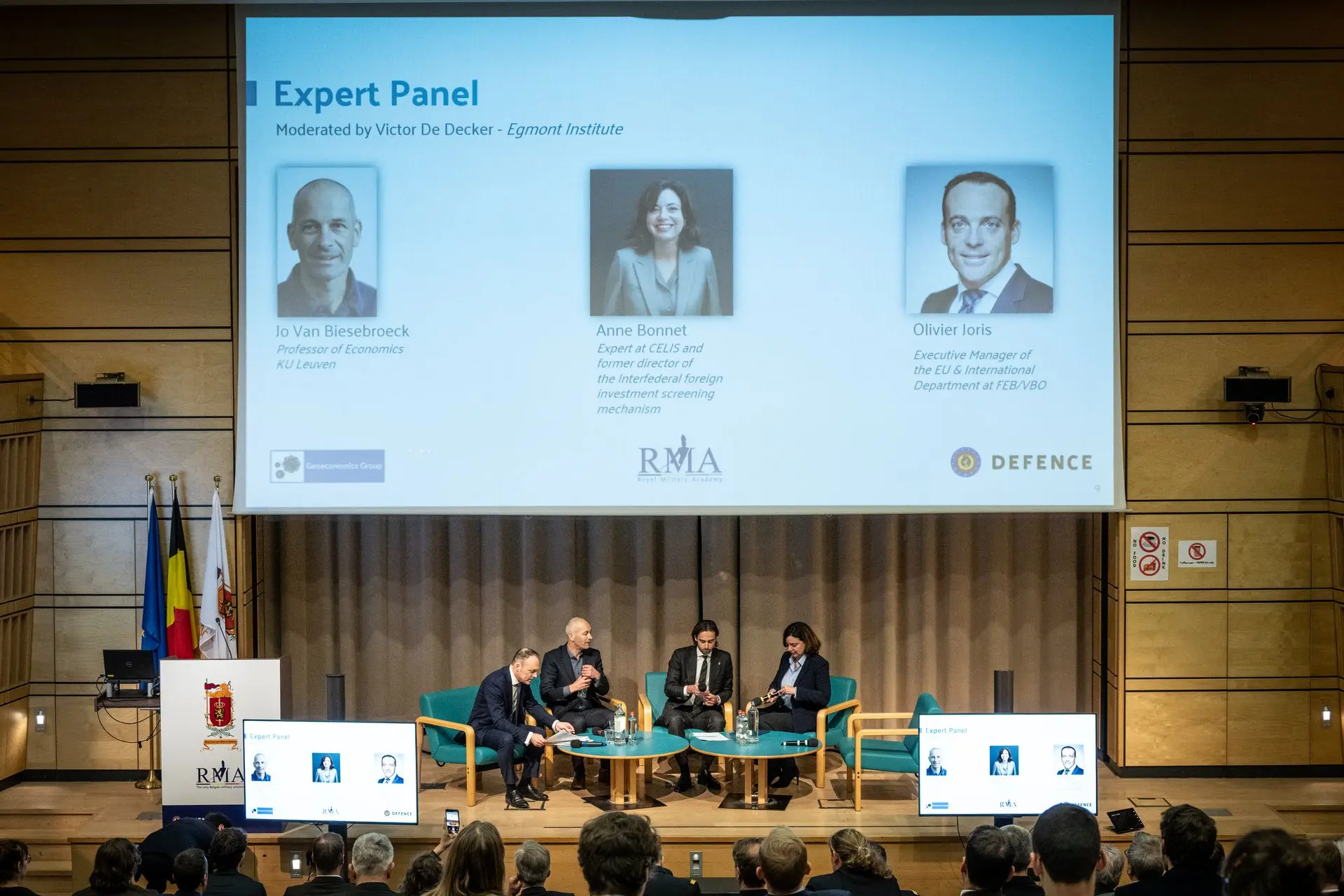
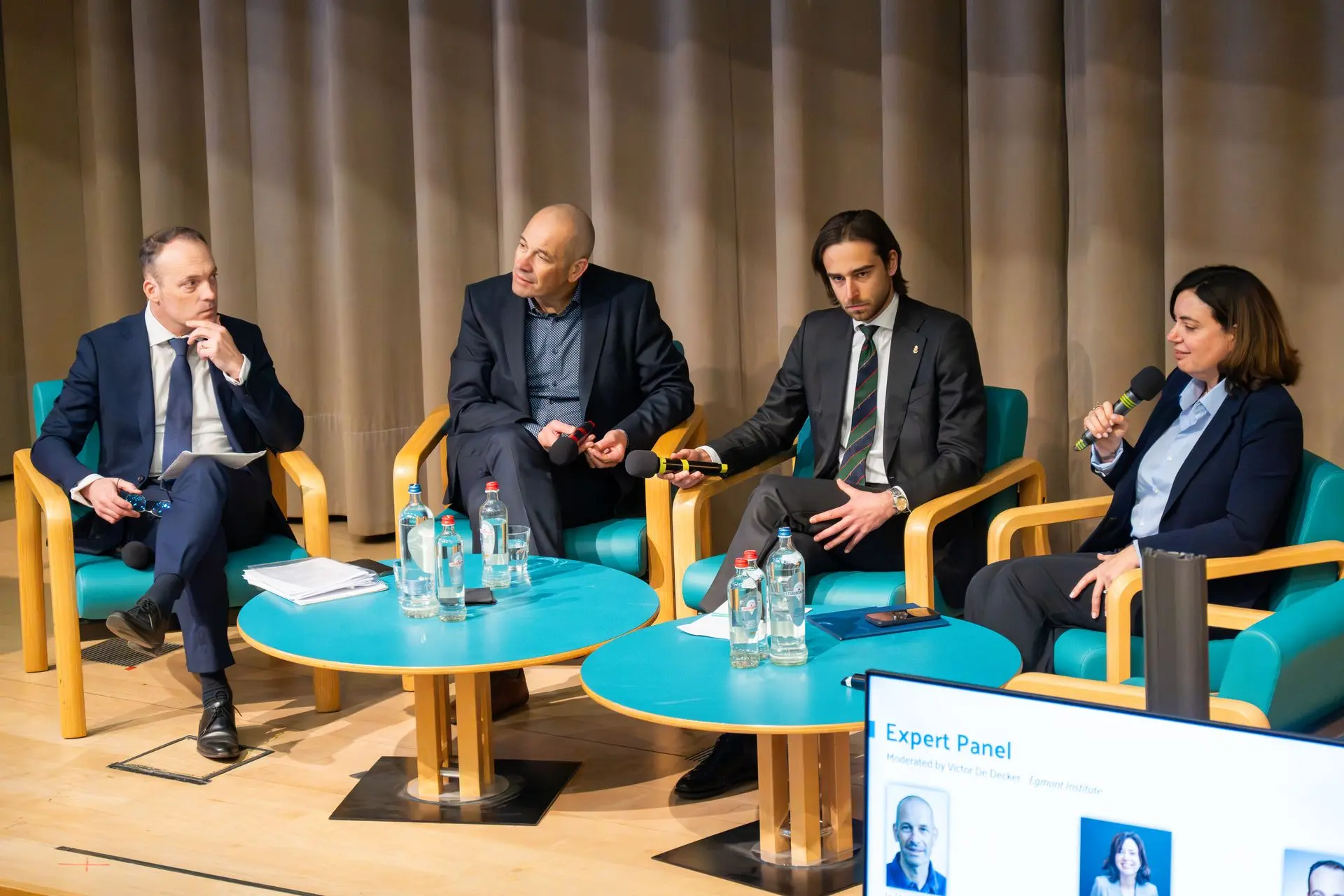
Expert panel
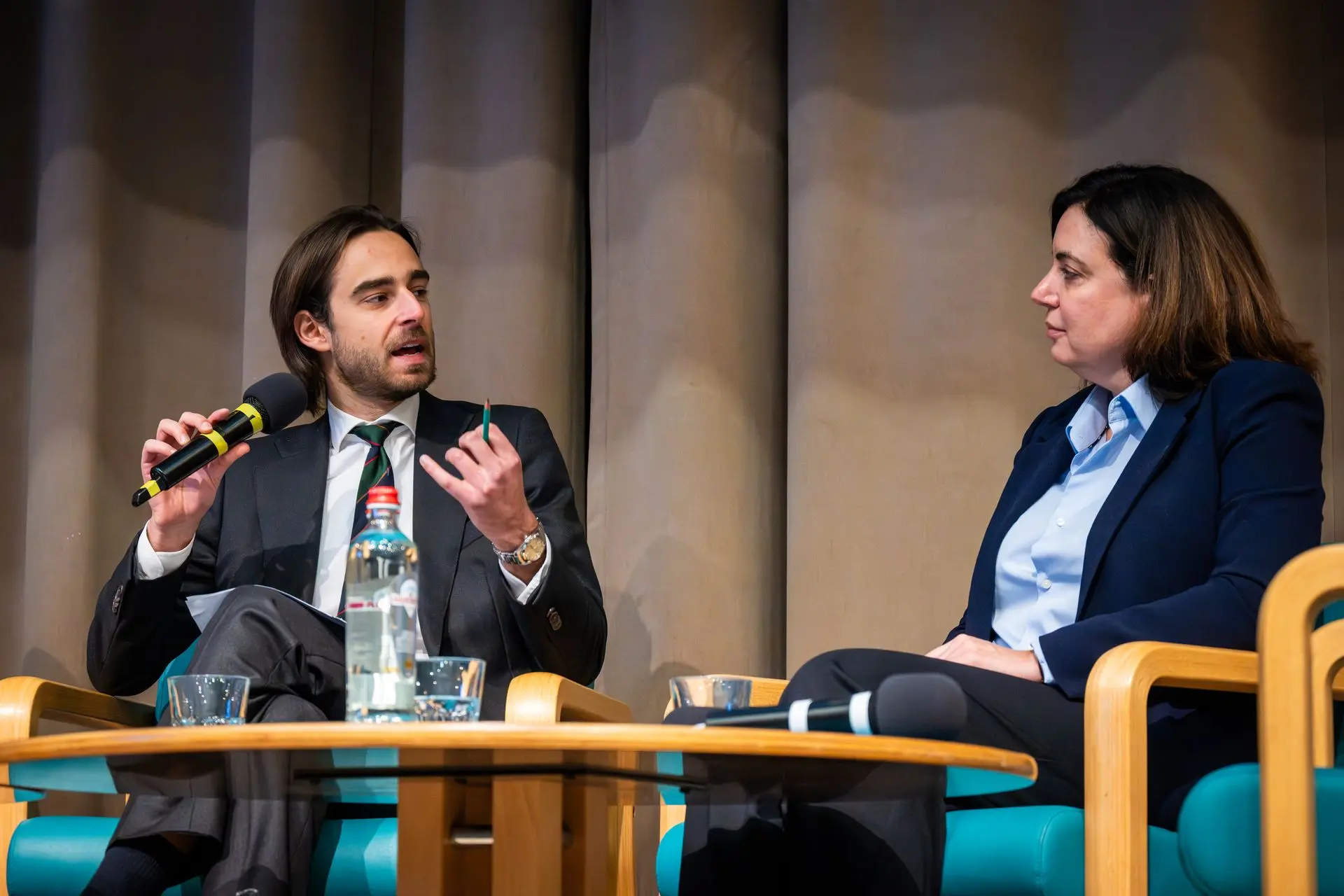
Panel with experts from government and the private sector on geoeconomic policy in Belgium
- Kathleen Van Brempt - Member of the European Parliament
- Anne Bonet - expert at CELIS and former director of the Interfederal foreign investment screening mechanism
- Olivier Joris - Executive Manager of the EU & International Department at FEB/VBO
- Moderator: Victor Dedecker - Research fellow on geoeconomics and economic security at Egmont
End
18:00
17:00
Networking reception
Dr. Pablo Muylle (Ghent University)
Robin Schindowski (KU Leuven)
Ruben De La Cruz (Ghent University)
Moderator: Prof. Dr. Nikolas vander Vennet (VUB)
Nick Houttekier (RMA/VUB)
Floor Doppen (Antwerp University)
Moderator: Prof. Dr. Jo Van Biesebroeck (KU Leuven)
Dr. Dennis Essers (NBB)
Dr. Sjorre Couvreur (RMA)
Moderator: Victor Dedecker (Egmont)
Merel Jacobs (RMA/VUB)
Magali Michiels (VUB)
Moderator: Tijs ter Haar (RMA/VUB)
Session 4: Maritime domain
Session 3: Industrial policy
Session 2: Investment
Session 1: Trade
The conference will convene in four breakout sessions on different topics. Attendants are required to choose one of the sessions to attend. After a brief introduction, researchers will present recent work on the specific topic and explain how their insights can be applied to policy. In the remainder of the session, the researchers and the attendants will further discuss how geoeconomic developments affect the policy domain.
Thematical breakout sessions
15:30
Nick Houttekier - Researcher at the Royal Military Academy and the Vrije Universiteit Brussel
Presentations
Dr. Sjorre Couvreur
Trade
Intensifying geopolitical competition between the US and China has drastically changed the global economic and regulatory environment, supply chain vulnerabilities exposed during COVID-19, or the weaponization of energy supplies by Russia, have severely impacted and disrupted business operations across the globe, and the EU. The reintegration of security and power considerations in the economic policy-making domain is often associated with the adoption and expansion of geoeconomic policies such as investment screening, sanctions, and export controls. Investment screening mechanisms are pieces of legislation that governments have adopted or expanded in the past decade to assess the security implications of certain (foreign) investments. This research focusses on the political economy determinants of the institutional choices governments made when adopting investment screening mechanisms, the role public and private economic actors played, and the interplay between economic ‘wants’ and security ‘needs’. Understanding the interplay of these different considerations has important implications for policy makers, but similarly, for analysts trying to understand policy decisions in a shifting geopolitical landscape.
Balancing security and investment in the EU: Past, present & future
Floor Doppen
Investment
As sanctions are believed to be a growing tool of economic statecraft in an increasingly geopolitically fragmented world, it is essential that their consequences are better understood, including any “collateral damage” for the countries imposing them. This research project studies the effect on Belgian trade of the European trade sanctions that were imposed on Russia after its full-scale invasion of Ukraine in early 2022 -- one of the largest and most wide-ranging sanction packages to date. We exploit the richness, granularity and timeliness of administrative Belgian firm-level data to sketch the profile of Belgian firms that were trading with Russia at the eve of the new sanctions wave, and to evaluate how those firms have adapted. Our results show that, even before the invasion, overall Belgian trade exposures on Russia were relatively limited, and how the remaining Belgian trade with Russia has become even more concentrated in specific sectors and firms. Preliminary estimations indicate that firms’ initial trade exposures to Russia and to the sanctions do influence their trading behaviour at the extensive and intensive margins, but have no clear effect on total firm turnover.
The effect of sanctions against Russia on Belgian trade: firm-level evidence
Europe’s Geoeconomic Turn in Trade: Trends and Implications
This presentation offers an overview of the latest research on the European Union’s geoeconomic turn in trade policy. Whereas EU trade policy was long defined by openness, rules-based engagement, and market liberalisation, recent developments point to a more strategic use of economic instruments in response to geopolitical tensions, supply-chain vulnerabilities, and the weaponisation of interdependence. The talk outlines key trends along three dimensions: instrumental, with the rapid expansion of tools aimed at resilience, coercion-proofing, and strategic control; institutional, as competencies, coordination mechanisms, and decision-making processes evolve to support a more geoeconomic stance; and ethical, concerning the values, trade-offs, and legitimacy challenges that accompany this shift. I will conclude with a brief reflection on what this evolving landscape means for Belgium and how it can best protect its interests as a highly open economy.
Dr. Dennis Essers
Robin Schindowski
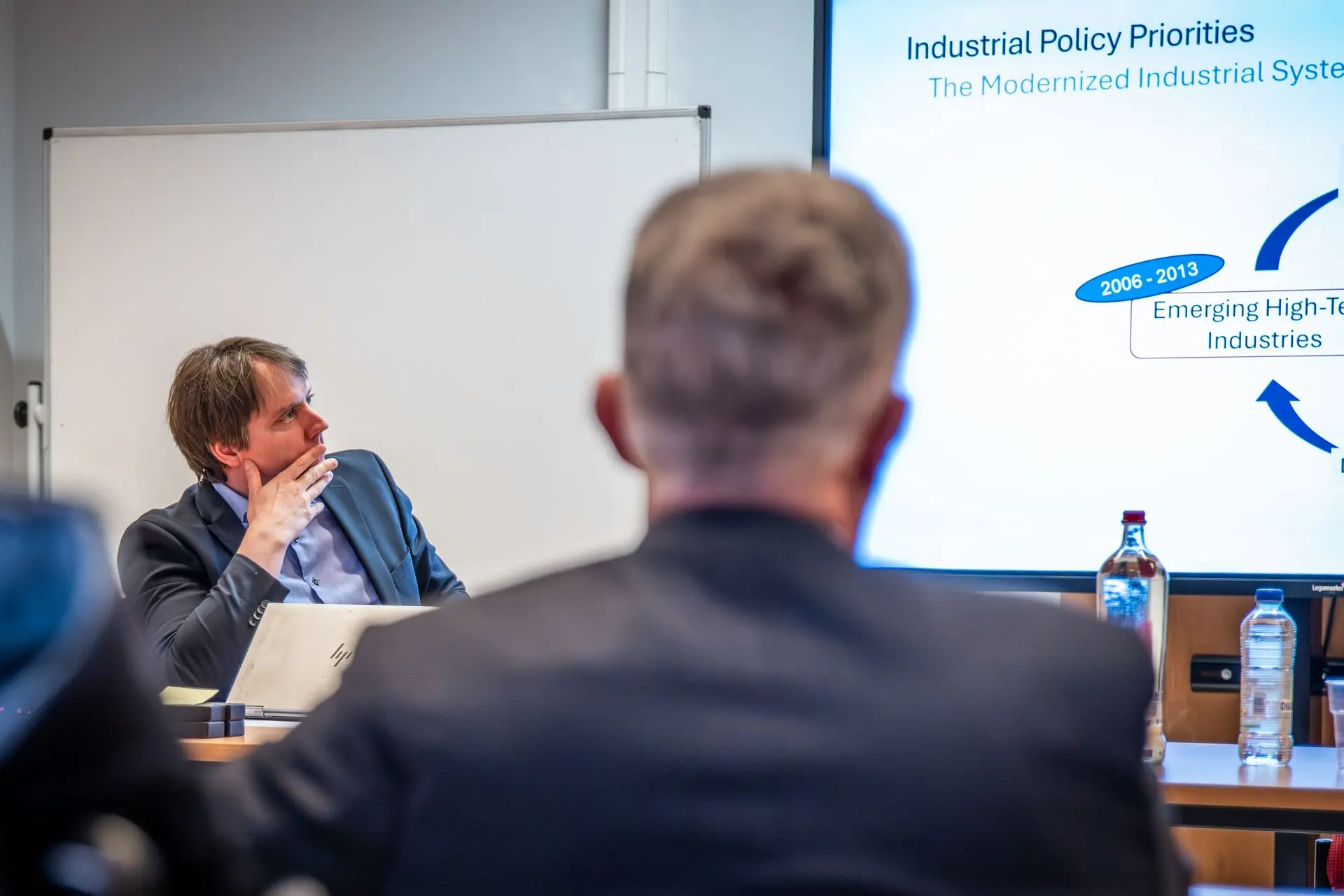
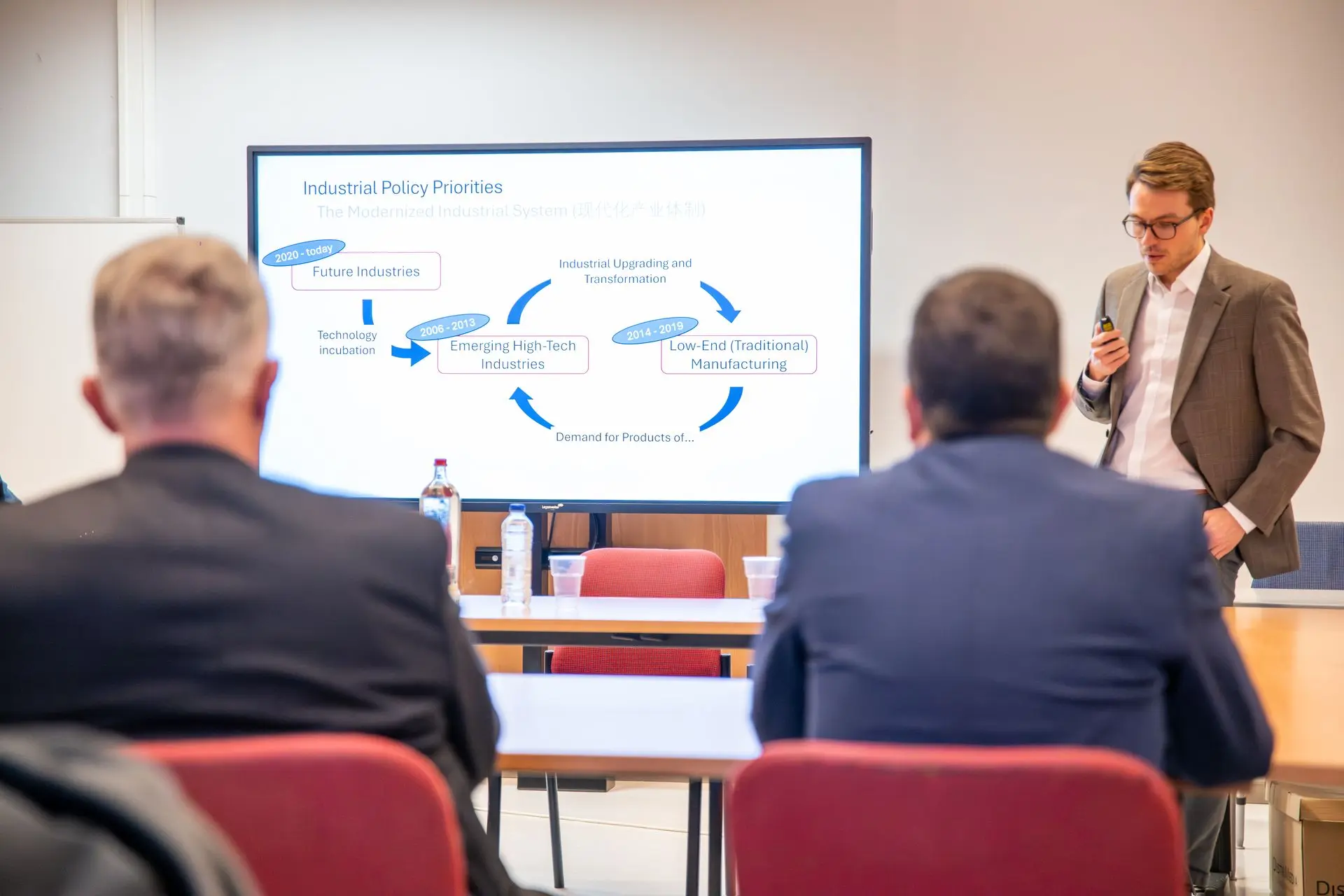
The Conceptual Architecture of China's Industrial Policy
The European Union (EU), seeking strategic autonomy in a geoeconomic world, is increasingly wary of technological dependence on third states. Concerned these dependencies could be weaponized, the EU wields industrial policy to boost domestic production of strategic technologies. A flagship industrial policy tool are Important Projects of Common European Interest (IPCEIs). Through these cross-border projects, member states subsidize firms for research and development (R&D) and production of microelectronics, batteries, cloud computing, and hydrogen. Interestingly, participation in IPCEIs varies widely among EU member states. Companies in contributing countries profit from the nearly 37.6 billion EUR in IPCEI state aid, while firms in neighboring states do not—threatening fair competition in the European single market. This quest for European unity risks devolving into an intra-European subsidy race in which capitals prioritize their national champions. As a small open economy in the heart of Europe with limited fiscal firepower, Belgium and its industry faces the risk of falling behind in this race. This session explores the challenges and opportunities for Belgium and its industries, offering policy recommendations to navigate the EU’s IPCEI framework and broader industrial strategy.
Ruben De La Cruz
IPCEIs in Europe’s Industrial Policy: Challenges and Opportunities for Belgium
Industrial policy
Foreign acquisitions have become an important part of the global economy, worrying governments about their security implications. Yet, the question if foreign investors can harm national security and, if so, how and under what conditions, remains understudied. This article proposes a new theoretical framework to analyze the security aspects of acquisitions by foreign investors. The framework consists of three dimensions: the relation between the home and the host state, the nature of the acquisition, and the link between the home state and the acquired firm. We apply the framework to recent Chinese acquisitions in Belgium to illustrate its mechanics and show how it arrives at different security evaluations on different investment cases. Overall, the analysis shows that acquisitions by foreign investors can have security consequences, but only under specific conditions. The article contributes to the understanding of the effectiveness of weaponizing interdependence, the reasons for investment screening, and the geoeconomic role of non-state actors.
Nick Houttekier
Can Foreign Investors Harm National Security?
In recent years, concern over Chinese influence dominated public debate regarding foreign involvement in European ports. China’s state-led economy, combined with its geopolitical aspirations, cast doubts over whether commercial and strategic objectives can be separated in the context of Chinese investments in such strategic infrastructure. This paper uses a case study of the Port of Antwerp Bruges (PoAB), one of Europe’s major seaports, to argue that (1) the landlord model of port governance, entailing operational privatisation, creates geoeconomic vulnerabilities involving a variety of foreign entities beyond China, (2) that local (Belgian) and regional (EU) actors remain prevalent in the PoAB, indicating resilience to extensive foreign involvement, and (3) that foreign involvement is not uniform but concentrated in strategically relevant sectors.
Who owns the gateways? A geoeconomic perspective on diverse ownership in landlord ports.
Tijs ter Haar and Merel Jacobs
Critical Undersea Infrastructure (CUI) – including subsea cables, pipelines and offshore energy installations – forms the backbone of Europe’s digital connectivity and energy security. The Nord Stream sabotage in 2022 led to a paradigm shift underscoring the vulnerability of these assets to both willful and unintentional damage. While the Baltic Sea has drawn attention due to the repeated cable incidents, the North Sea too is emerging as strategic hotspot given its dense network of offshore wind farms, interconnectors and data cables. This paper applies Bueger and Edmunds’ maritime security toolbox to assess policy options for Belgium and its regional partners. It argues for a layered approach, combining strategy, informal cooperation, maritime situational awareness, operations, and capacity building. Recommendations include enhancing regional coordination through platforms like NorthSeal, investing in repair capacity, and strengthening legal frameworks for inspections and deterrence. By embedding resilience across public, private and multinational actors, North Sea states can anticipate and mitigate hybrid threats before they escalate.
Magali Michiels
Security (Critical) Infrastructure in the North Sea
Maritime domain
State aid, government subsidies to businesses, represents a major policy tool in Europe, with billions of euros distributed annually to support innovation, employment, and regional development. But does it actually work? Using a unique dataset linking European Commission records to financial data from over 63,000 firms across 20 EU countries, we provide the first comprehensive evaluation of state aid's impact on firm performance. Our findings challenge conventional wisdom: on average, firms receiving state aid experience declining productivity, profitability, and output in the years following support. However, the story is more nuanced. Business-oriented aid, targeting R&D, innovation, and training, shows positive effects on productivity. Aid also works better when sufficiently large relative to firm size and when directed to manufacturing rather than services. We complement this EU-wide analysis with an in-depth examination of Belgium's offshore wind energy sector, where 45 firms received €1.04 billion in state aid between 2016-2022. Here, we observe significant heterogeneity: while, on average, we observe strong post-aid growth in value added and employment, some recipients experience decline, suggesting that firm characteristics and project implementation matter enormously.
Dr. Pablo Muylle
From Support to Success? Evaluating the Firm-Level Effects of State Aid in Europe (and Belgium's Offshore Wind Sector)
China presents a compelling case for the study of industrial policy, but its conceptual foundations remain underexplored in the academic literature. We propose a structured approach to analyzing Chinese industrial policy built around three dimensions: articulated sectoral and cross-sectoral priorities, implementation mechanisms designed to incentivize the private sector to align with policy objectives, and institutional reforms aimed at reducing the scope of government failure. Our study reveals that Chinese industrial policy has shifted from a narrow promotion of emerging high-tech industries toward concentrating state support on technological linkages between (1) emerging high-tech industries and low-end manufacturing, and (2) emerging high-tech industries and scientific innovation. Through recent reforms of the science and technology (S\&T) system, state-guided R\&D has become strongly mission-oriented and more closely connected to the incubation of emerging high-tech industries. A large manufacturing base, in turn, provides demand for the technologies produced by emerging high-tech industries, while these technologies are expected to transform China's low-end manufacturing into higher-end manufacturing. The system is intended to generate mutually reinforcing cycles of scientific advancement, technology incubation, and technology absorption. To put this into practice, the government conducts institutionalized guidance along the entire chain of related activities, ranging from applied research and technology development to product demonstration, SME support schemes, production scaling, and supply-chain governance. Implementation mechanisms target research institutions, firms, and regional clusters alike. The purpose of state support is to facilitate a seamless flow of technological innovation across the linkages of the activity chain. Finally, since 2023, the government has initiated reforms aimed at creating a more predictable business environment for private firms, thereby reducing the scope for government failure.